The Pain You Can’t See: Endometriosis and the Millions Living With It
Published December 06, 2025 by: Foxy
Endometriosis is not “just bad cramps.” It’s a chronic, often invisible disease that can affect the
body, mind, relationships, work, and sense of self — and millions of people are still being dismissed or ignored.
What Is Endometriosis?
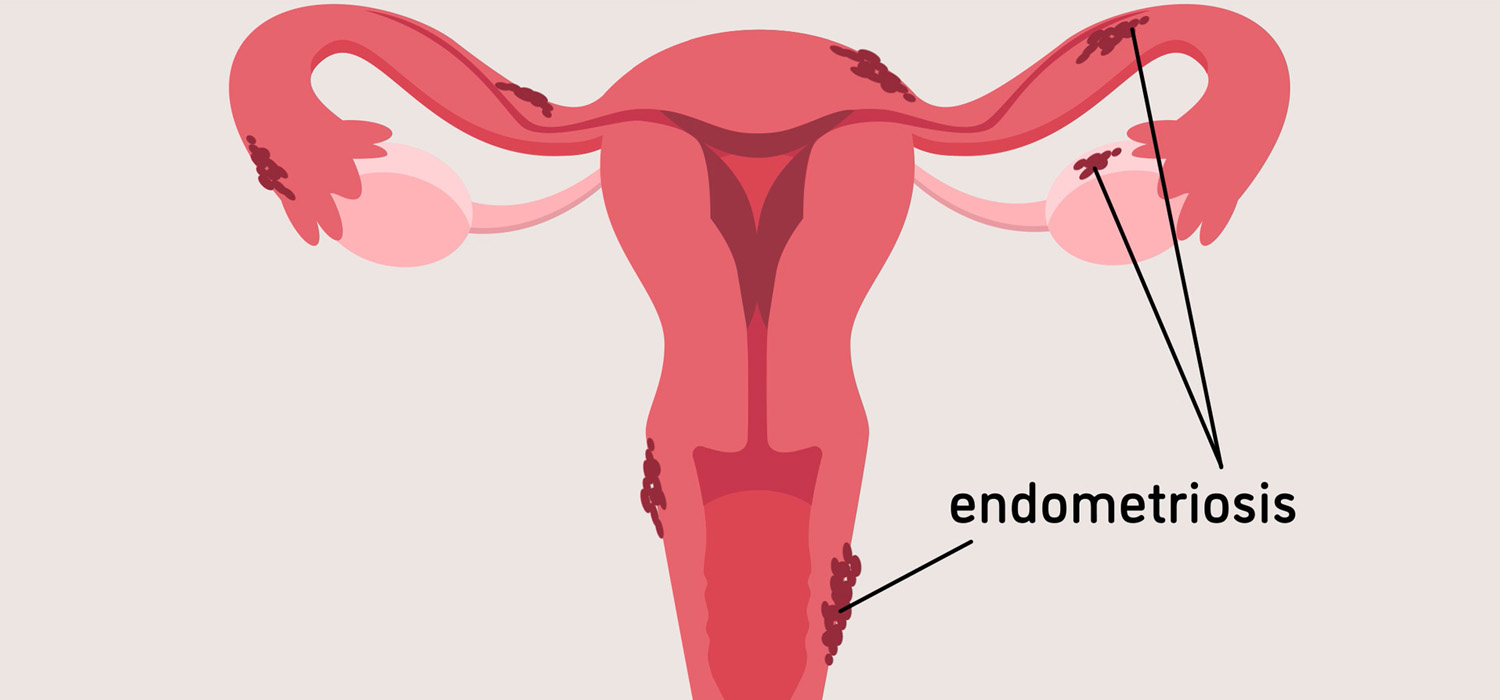
Endometriosis is a chronic condition where tissue similar to the lining of the uterus (endometrium)
grows outside the uterus — commonly on the ovaries, fallopian tubes, pelvic lining, and sometimes
even beyond the pelvis into the abdomen or chest.
This tissue is sensitive to hormones. It can thicken, break down, and bleed just like the uterine
lining during a menstrual cycle — but because it’s in places it doesn’t belong, the blood and
inflammation have nowhere to go. Over time, this can cause severe pain, scar tissue (adhesions),
organ sticking, and serious disruption to daily life.
Endometriosis is not a character flaw, a low pain tolerance, or “being dramatic.” It is a
complex medical condition that deserves to be taken seriously.
~10%of women and people assigned female at birth in their reproductive years are estimated to be living with endometriosis worldwide — that’s roughly 190 million people globally.
25–50%of women experiencing infertility are estimated to have endometriosis, highlighting how closely the condition is tied to fertility struggles.
4–12 yearsis the average time it takes from the first symptoms to receiving a diagnosis, meaning many people live with unmanaged pain for years.
Research also shows that the global burden of endometriosis is increasing when measured in overall
cases and disability, particularly among women in their reproductive years, even though some
age‑standardized rates have declined over time. This means more people are living with the
disease for longer, often without adequate support or care.
Estimates vary depending on how the data is collected. Insurance data in some countries suggests
only around 1% of women are affected, but clinical studies and population surveys often show
much higher prevalence — around 6–7%, and up to 21% among patients with significant symptoms.
This gap reflects how underdiagnosed and underestimated endometriosis truly is.
Who Is Most at Risk?
Endometriosis can affect anyone who menstruates — from their first period through menopause — and it
does not discriminate by race, culture, or income. It primarily affects people in their
reproductive years, with the disease burden highest between ages 20 and 34, and still significant
into the 40s and early 50s.
Factors Associated With Higher Risk
Reproductive age: Endometriosis most commonly affects women and others who
menstruate between adolescence and menopause.
Family history: Having a close relative (such as a mother or sister) with
endometriosis seems to increase the likelihood of developing it, suggesting a genetic component.
Immune system links: Emerging research suggests a connection between
endometriosis and immune system dysregulation. People with endometriosis are more likely to
have other immune‑related conditions such as lupus, multiple sclerosis, or inflammatory bowel
disease.
Menstruation‑related factors: Early first period, shorter menstrual cycles,
heavier bleeding, or longer-lasting periods have been associated with higher risk in some
studies, though endometriosis can occur without these patterns.
Gender identity and inclusivity: While often described as a “women’s disease,”
endometriosis can also affect transgender men and non‑binary people who menstruate.
None of these factors are someone’s fault. Having endometriosis is not a punishment for lifestyle
choices, personality, or worth. It is a medical condition, and people living with it deserve care
and respect, not blame.
Symptoms can vary widely. Some people have severe pain; others have very little pain but still
experience infertility or organ damage. Because symptoms are so broad, endometriosis is sometimes
called the “chameleon of gynecology.”
Common Symptoms
Severe period pain that interferes with school, work, or daily activities.
Chronic pelvic pain that continues even outside of the menstrual cycle.
Heavy menstrual bleeding or bleeding that lasts longer than usual.
Pain during sex, especially with penetration.
Pain with bowel movements or urination, particularly during periods.
Abdominal bloating, fatigue, nausea and a feeling that “something is not right.”
Difficulty getting pregnant or a diagnosis of infertility.
Not everyone with endometriosis has all of these symptoms, and some may have no noticeable symptoms
at all, which makes diagnosis even more challenging.
How Endometriosis Affects Life
Endometriosis is not just a “uterus problem.” It affects quality of life on multiple levels:
physical, emotional, social, financial, and professional. The World Health Organization notes that
pain, depression, anxiety, fatigue, sexual health issues, and social isolation can dramatically
reduce quality of life for people with endometriosis. Narrative reviews have emphasized the
heavy psychological and social load the condition carries, especially when it is misunderstood or
minimized.
Areas of Life Commonly Impacted
Work and school: Frequent absences, reduced productivity, or the need to leave
jobs or studies because pain is not accommodated or believed.
Relationships: Strain on romantic, family, and social relationships due to pain,
fatigue, intimacy challenges, or feeling misunderstood.
Mental health: Higher rates of depression and anxiety, especially when people
feel their pain is dismissed or when they face long delays before diagnosis and support.
Fertility and family planning: Endometriosis is strongly associated with
infertility, which can add grief, frustration, and pressure to an already painful journey.
Financial burden: Costs of repeated appointments, imaging, surgeries, missed
work, and ongoing care can be substantial, particularly where access to health care is limited.
When someone says, “My periods are destroying my life,” they may not be exaggerating. For many
living with endometriosis, that sentence is literal.
Although endometriosis is common, many people spend years searching for answers. On average, the
time from symptom onset to diagnosis is estimated between 4 and 12 years. Several factors
contribute to this delay:
Normalization of pain: Many are told that painful periods are “normal,” so they
question their own experience instead of seeking help — or they are dismissed when they do.
Variable symptoms: Because symptoms differ so much from person to person,
clinicians may not immediately recognize endometriosis.
Diagnostic barriers: Imaging such as ultrasound can help, but in some cases,
minimally invasive surgery (laparoscopy) is used to confirm diagnosis, and that may not be
accessible or affordable for many people.
Limited awareness: In some settings, both the general public and health
professionals receive limited education about endometriosis, leading to underrecognition and
underfunding.
These delays are not just inconvenient; they can allow pain, inflammation, and emotional distress
to accumulate over years. Early recognition and compassionate care can make a profound difference
in someone’s life.
Moving Toward Better Support
There is currently no known cure for endometriosis, but symptoms can often be managed with
medication, surgery in some cases, and supportive care approaches tailored to the individual.
Access to timely diagnosis and effective treatment is still limited in many parts of the world,
especially in low‑ and middle‑income settings.
What people living with endometriosis consistently ask for is not just treatment, but to be
believed. To have their pain taken seriously. To have options, information, and support instead of
dismissal or shame.
Sharing stories, raising awareness, and challenging the idea that “this is just how periods are”
are small but powerful steps in changing how endometriosis is seen and treated. Whether you live
with this condition yourself or love someone who does, your voice matters.
This page is for general, educational purposes only and is not medical advice. If you are
experiencing severe period pain, pelvic pain, heavy bleeding, or symptoms that concern you, please
speak with a qualified health professional for a proper evaluation and support.